 Grading for Valuation
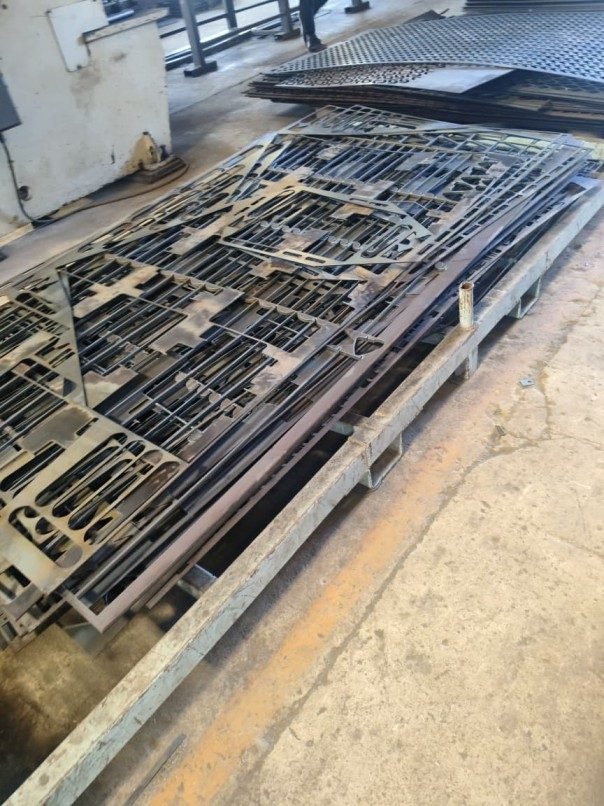 Steel Scrap Grading
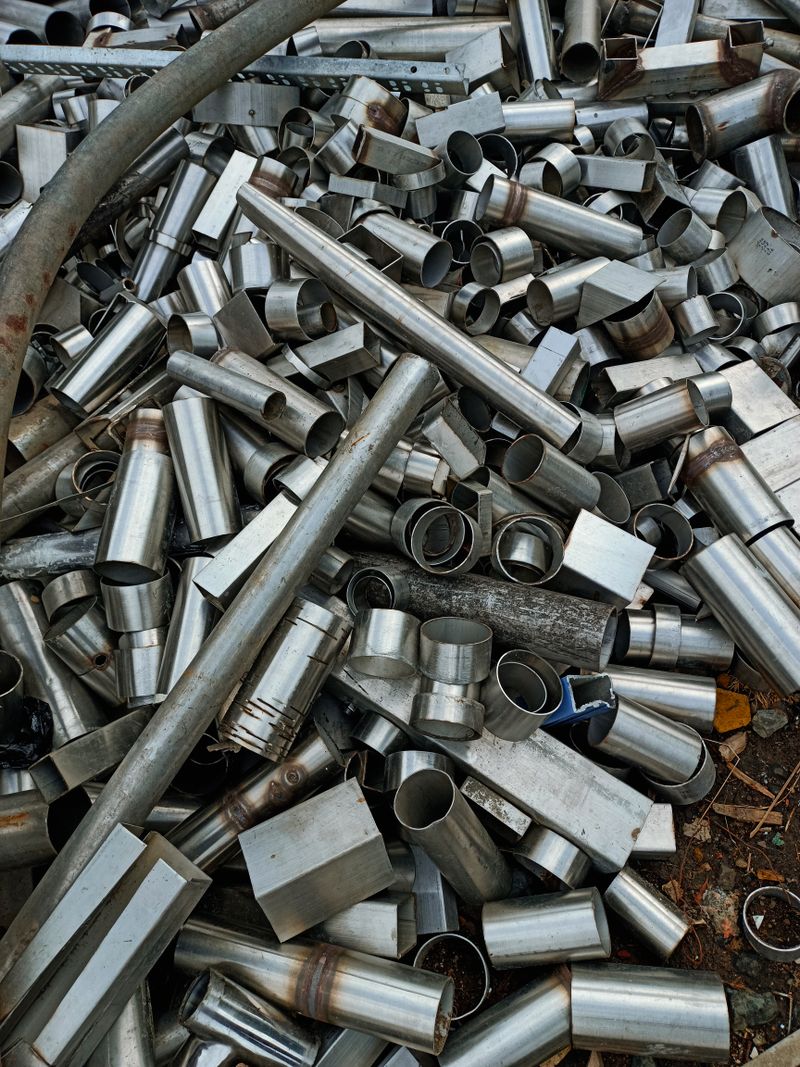 Quality Assessment
A guide to how scrap pricing works — material type, grade, quantity, condition and current market conditions.
Grading for ValuationSteel Scrap GradingQuality AssessmentWe don't publish fixed rate cards, because scrap valuation genuinely depends on several factors that change from one enquiry to the next. Here's what typically drives the number you'll be quoted.
Different scrap categories — copper, aluminium, steel, mixed metal, e-waste, plastic — carry different base values. Within each category, grade and purity matter: clean, sorted material is valued higher than mixed or contaminated lots.
Bulk quantities are typically valued more efficiently than small lots, since pickup and logistics costs are spread across a larger volume. This is a key reason our service is structured around bulk and industrial quantities.
Material condition — rust, contamination, mixed attachments (e.g. plastic on metal, wiring in machinery) — affects processing effort and therefore valuation.
Ground-floor, easily accessible sites are simpler to service than sites requiring special equipment or multiple handling stages, which can factor into overall terms.
Metal and commodity prices move with broader market conditions. Rates shared on a given day reflect conditions at that time and may differ from a quote given weeks earlier.
Copper, aluminium, brass, steel and mixed metal — among the most consistently valued categories, with copper and aluminium typically at the higher end.
Old machinery, industrial equipment and structural scrap, assessed based on material composition and condition after review.
Computers, servers, networking equipment and electronics, valued based on components and material recovery potential.
Furniture, fixtures, racking and structural material, typically assessed as a bulk lot during clearance projects.
The more detail you share upfront, the closer our initial estimate will be to the final confirmed price.
Share your scrap details and we'll respond with a valuation based on current material and market conditions.
Request a Quotation